
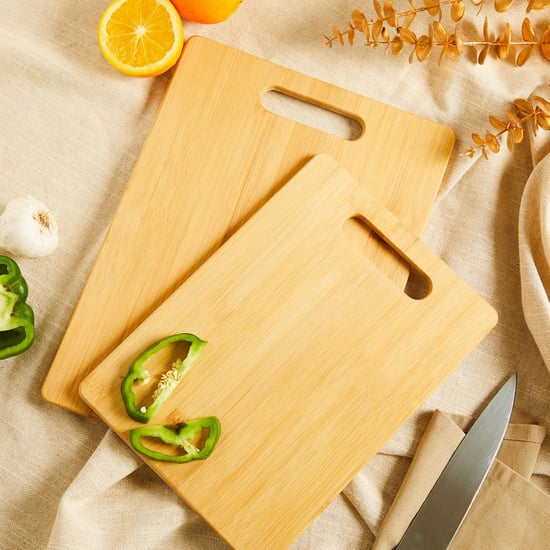
The Timeless Appeal of Wooden Chopping Boards: Why They’re a Kitchen Essential
Wooden chopping boards have been a staple in kitchens for centuries, and for good reason. Their durability, aesthetic appeal, and knife-friendly surface make them a preferred choice among professional chefs and home cooks alike. In this blog post, we’ll delve into the benefits of wooden chopping boards, how to choose the right one, and tips for proper maintenance to ensure longevity.
Why Choose a Wooden Chopping Board?
- Durability and LongevityWooden chopping boards are renowned for their durability. Made from hardwoods such as maple, walnut, or cherry, these boards can withstand heavy use and resist knife scars better than many other materials. With proper care, a quality wooden board can last for decades, making it a wise investment for your kitchen.
- Knife-Friendly SurfaceOne of the significant advantages of wooden chopping boards is their knife-friendly surface. The wood’s natural fibers help to keep your knives sharp by providing a softer surface that doesn’t dull the blade as quickly as harder materials like glass or ceramic. This means your knives stay in better condition for longer.
- Natural Antibacterial PropertiesMany hardwoods used for chopping boards, such as maple and walnut, have natural antibacterial properties. The wood’s dense grain can inhibit bacterial growth, making wooden boards a hygienic choice for food preparation. Additionally, the natural oils in wood help to create a barrier against bacteria.
- Aesthetic AppealWooden chopping boards add a touch of elegance and warmth to any kitchen. Their natural grain patterns and rich colors enhance the visual appeal of your kitchen workspace. Many people choose wooden boards not just for their functionality but also for their ability to complement kitchen décor.
Choosing the Right Wooden Chopping Board
- Material QualityWhen selecting a wooden chopping board, consider the type of wood. Hardwoods like maple, walnut, and cherry are preferred for their durability and resistance to knife marks. Avoid softer woods, such as pine, as they can be more prone to damage and are less ideal for heavy use.
- Size and ThicknessChoose a board size that suits your cooking needs. Larger boards provide ample space for chopping and slicing, while smaller boards are more convenient for quick tasks. Thickness is also important; thicker boards tend to be more stable and durable, making them less likely to warp over time.
- End-Grain vs. Edge-GrainWooden boards come in two main types: end-grain and edge-grain. End-grain boards are made by arranging the wood fibers vertically, which makes them more resistant to knife marks and easier on the blades. Edge-grain boards are made by aligning the wood fibers horizontally, which can be less durable but often more affordable.
Maintaining Your Wooden Chopping Board
- CleaningTo clean a wooden chopping board, wash it with warm, soapy water and a sponge. Avoid soaking the board or putting it in the dishwasher, as excessive moisture can cause the wood to warp or crack. For a deeper clean, you can use a mixture of baking soda and water.
- OilingRegularly oil your wooden chopping board to keep it from drying out and to maintain its natural sheen. Use food-grade mineral oil or specialized cutting board oil, applying a thin, even layer and allowing it to soak in overnight. This helps to prevent the wood from cracking and keeps it in good condition.
- SanitizingTo sanitize your board, you can use a solution of vinegar and water or lemon juice. Simply wipe the board with the solution and allow it to air dry. This helps to neutralize odors and maintain a hygienic surface.
Wooden chopping board are more than just a kitchen tool; they are an investment in quality, durability, and aesthetic appeal. Their ability to provide a knife-friendly surface, combined with their natural antibacterial properties, makes them a preferred choice for both professional and home kitchens. By choosing the right type of wood, maintaining it properly, and understanding its benefits, you can enjoy a beautiful and functional chopping board that enhances your cooking experience for years to come.
The Carving Knife: Precision and Elegance in Every Slice
A carving knife is an essential tool for any kitchen, designed to provide precision and control when slicing through meats, poultry, and roasts. With its long, thin blade and sharp edge, this knife is perfect for creating perfectly even slices of your favorite dishes.
Key Features
- Long, Thin Blade
The carving knife’s elongated blade allows for smooth, clean cuts, making it ideal for carving large cuts of meat, such as turkey or roast beef. - Sharp Edge
A sharp, finely honed edge ensures effortless slicing, reducing the effort needed and ensuring each slice is uniform and appealing. - Ergonomic Handle
Many carving knives feature ergonomically designed handles that provide a secure, comfortable grip, enhancing control and reducing hand fatigue during extended use.
Elevate your meal presentation with a carving knive that combines precision and elegance, ensuring perfectly sliced portions every time.
